
Android Game Development Company
300Mind builds Android games that ship to Google Play and hold their frame rate on budget phones as well as flagships. We take a game from concept through art, engineering, device testing and the Play Console release itself, so you are never handed a build you cannot publish. Our teams work in Unity and Unreal Engine, and we size the tech to the game rather than forcing every project into one engine.


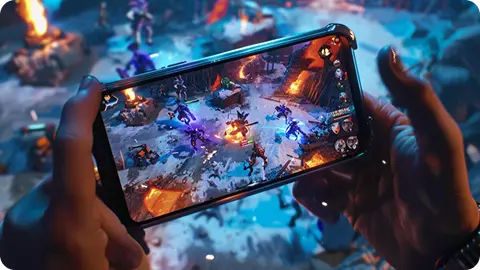
Full-Cycle Android Game Development
We handle the whole build: design document, prototype, art, code, testing and the Play Store upload. You work with one team and one point of contact instead of hiring a designer, a coder and a publisher separately.
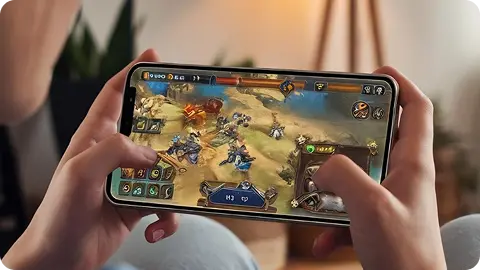
Custom Android Game Development
We build your game around your own mechanics, not a template. That covers the game loop, progression, in-game economy, Google Play Billing for purchases, and Google Play Games Services for leaderboards, achievements and cloud saves.
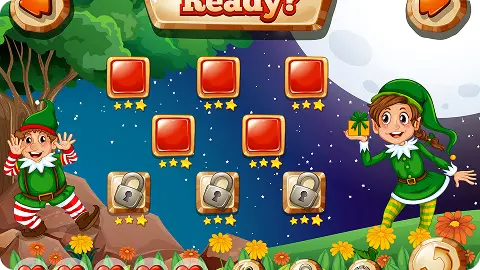
2D and 3D Android Game Development
We build both 2D and 3D games for Android, and each needs a different production plan. A 2D game is built for a small download and fast loading, while a 3D game is built to hold a steady frame rate on the phones you want to reach.

Android Game UI/UX Design
Android game UI has to work around notches, gesture bars and screens from small budget phones up to tablets and foldables. Our game UI/UX design covers in-game screens and the store side too: app icon, feature graphic and screenshots for your Play Store listing.
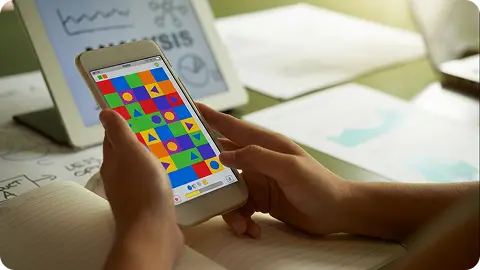
Android Game QA and Device Testing
Android runs on thousands of different phones, so we test builds on real devices rather than only in the editor. We check crashes, freezes, memory and heat, then run the Play Console pre-launch report before every release. You can also hire game developers or testers from our team if you already have a build.
Post-Launch Support and LiveOps
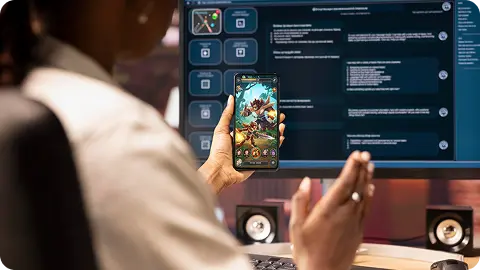
Launch day is where the work starts on Android, not where it ends. We handle crash fixes from Android Vitals data, updates when Google Play raises its requirements, seasonal events and balance patches, so your game keeps its rating and its players.
Bring Your Android Game Idea to Life
Send us the concept, the reference builds, or the half-finished project. We will come back with a scope, a device target and an honest timeline.


 Educational Games
 Role Playing Games
 Casual Games
 Adventure Games
 Action Games
 Survival Games
 Casino Games
 Battle Royal Games
 Sports Games
 Arcade Games
 Sandbox Games
 Strategy Games
 Simulation Games
 Puzzle Games
Need Dedicated Android Game Developers?
Add Unity or Unreal engineers, artists and QA testers to your team on a monthly basis, with no long recruitment cycle.
 Blender
 Maya
Maya Substance Painter
- Unreal Engine
 Unity
Unity- Phaser
- Cocos2D-JS
- Godot
 SpriteKit
- Android Studio
 AppGame Kit
- Construct 2
- GameMaker Studio



Why Studios Pick 300Mind for Android Game Development?
Choosing an Android game development partner usually comes down to four questions: who is actually on the team, have they shipped, will they hit the date, and what happens after launch. Here is how 300Mind answers each one.
An In-House Team, Not a Contractor Chain
Our developers, artists, designers and QA testers work from one studio in Ahmedabad under a single production lead. That keeps your source code, art files and design documents inside one NDA instead of moving through freelance intermediaries. It also means an art fix and a gameplay fix can happen in the same sprint rather than across two vendors.
Engine Depth Across Unity and Unreal
We keep working knowledge of both Unity and Unreal Engine, so the engine recommendation you get is based on your game rather than the only tool we know. Unity tends to win on mid-range Android device coverage, build size and iteration speed; Unreal earns its place when the visual bar is high and the target devices are newer. Teams that already know which way they are going can hire Unity developers or Unreal Engine developers from us directly.
Games That Have Passed Play Store Review
We have taken games through Google Play review, target API level updates and store policy changes, so submission is a checklist for us rather than a surprise. That covers the Android App Bundle format, 64-bit builds, data safety declarations, age rating questionnaires and staged rollouts through internal, closed and open testing tracks. Getting rejected at review is expensive, and most of the reasons are avoidable.
Art and Assets Produced Under the Same Roof
Characters, environments, props and animation are made by our own artists, which is why the art and the engineering do not drift apart mid-project. The same team publishes game assets on Fab, Superhive and the Unity Asset Store, so our models arrive with clean topology, sane UVs, LODs and PBR materials rather than needing a cleanup pass. If you only need art, our game art design and 3D game art services can be bought without the development scope.
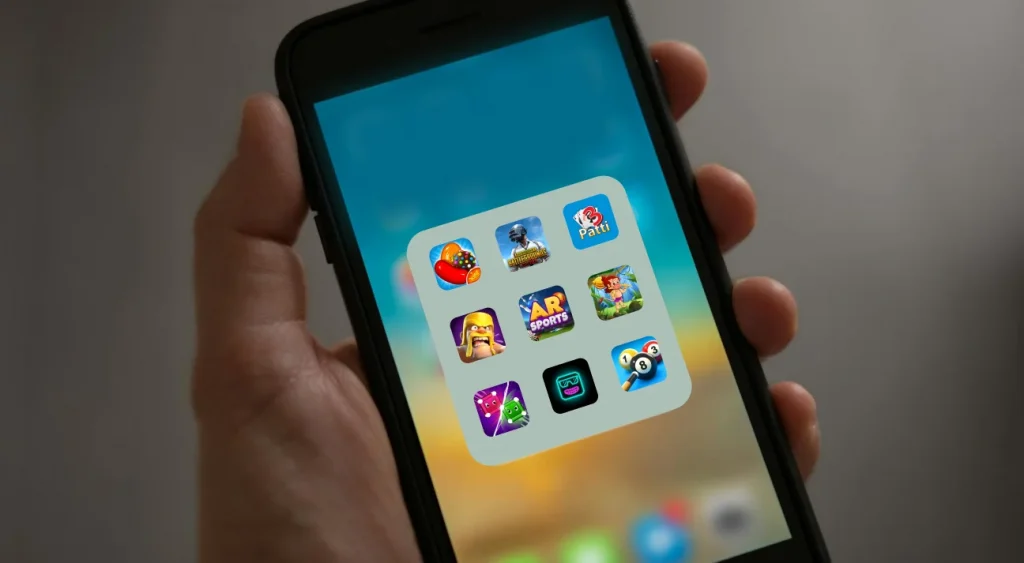
Why Mobile Game Development Is A Profitable Investment?
Billions of people worldwide are glued to their smartphones and because of this massive pool of potential players, mobile game development is flowing with investment opportunities. Whether you're a seasoned investor or a budding entrepreneur, there is ample opportunity to cash in on this ever-growing trend. But why? How? What are the facts backing the…
The Mobile Game Design You Never Knew - Detailed Guide!
For better or worse, the mobile gaming business has evolved significantly over the past decade, forging its own design identity. Even the statistics revealed that mobile gaming now accounts for 52% of all worldwide game revenue in 2021, by far the largest gaming market.
How to Make a Mobile Game App: A Step-by-Step Guide
Are you looking to develop a mobile game and not sure how to start? You can learn everything about the mobile game development process and mistakes to avoid through this guide.

The level of creativity and attention to detail helped us turn our game concept into a polished, high-performance experience. The 300Mind team understood our vision and delivered a game that felt engaging from the very first interaction.

Steven Musk
CTO
We hired 300Mind for 3D game assets modeling, and the quality of the work stood out from the beginning. The team understood our art direction, maintained consistency across assets, and suggested improvements that made the overall game experience even better.

Padró Vasquez
Game Artist
It was an amazing experience working with the 300Mind team. They helped us bring our game mechanics and visual ideas together while keeping performance in mind. Their responsiveness and dedication made the entire development process much smoother.

Alex R.
Technical Head
The 300Mind game artists and developers brought our character concepts to life exactly as we envisioned. From character modeling to textures and animation, the team captured the personality of every character and turned our ideas into game-ready assets.

Chris Warne
Creative Head
300Mind helped us transform our game concept into a complete 3D experience. Their understanding of game art, environments, modeling, and real-time development made it easy to move from an initial idea to a polished and playable product.

Laura D’Costa
Chief Operations Officer
The technical expertise of the 300Mind team was exceptional. From Unreal Engine development and 3D assets to gameplay systems and optimization, they handled the technical challenges efficiently and delivered a stable, high-quality game experience.

Santiago Rios
Director of Engineering