
Game Level Design Studio
At 300Mind, our video game level designers build worlds that make players want to keep playing. Whether you're shipping a fast-paced action title or a slow-burn puzzle adventure, our game level design services cover everything from first-draft blockouts to fully polished, ready-to-ship levels.



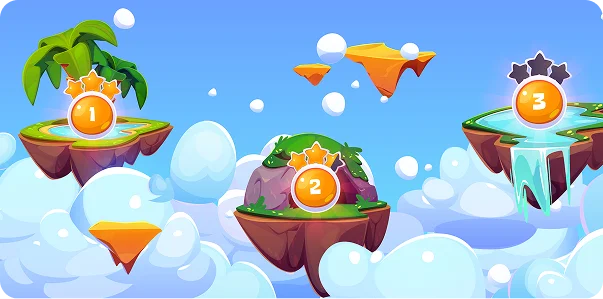
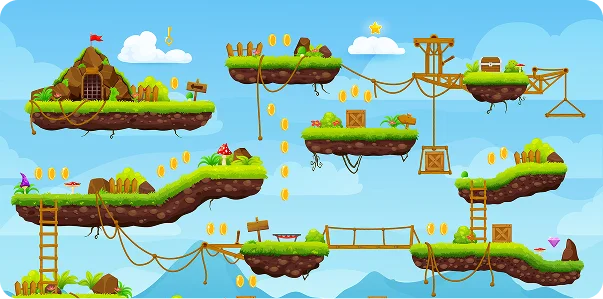
2D Game Level Design
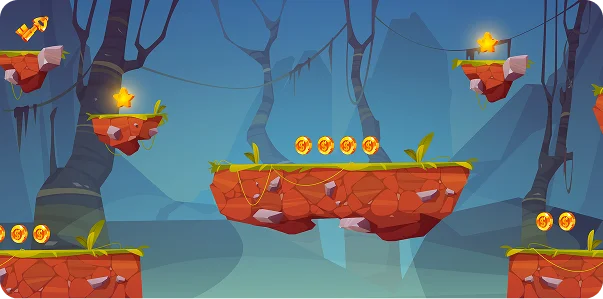
From side-scrolling platformers to retro arcade layouts, our 2D game level design work focuses on tight pacing and readable layouts, so every screen guides players toward the next challenge instead of away from it.
3D Game Level Design
For open-world RPGs, first-person shooters, and other spatial genres, we block out multi-dimensional levels with real depth, sightlines, and pacing, built on industry-standard 3D modeling workflows that hold up across platforms.
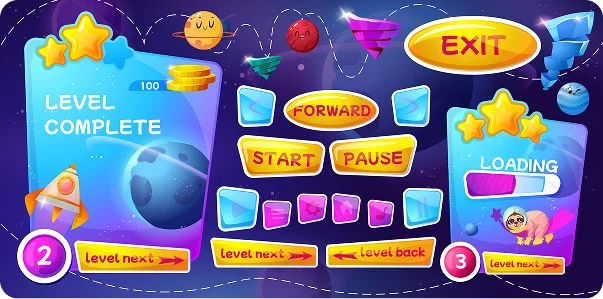
Game Level UI Design
In-game menus, HUDs, and interactive prompts get the same attention as the level itself, since a level only feels finished once its game UI/UX design supports the action instead of interrupting it.
Game Environment Design
Terrain, lighting, and set dressing carry as much narrative weight as layout, which is why our game environment design work is planned alongside every level from the first blockout onward.
Build Levels Players Don't Want to Leave
Strategic game level design that improves player flow, challenge pacing, and overall retention.



 Photoshop
- Illustrator
 Blender
- Maya
 After Effects
- Unity 2D
- Unreal Engine
- Substance 3D


Hire Game Level Designers
Work with 300Mind's game level designers who plan pacing, difficulty curves, and layout flow before a single asset is placed, so every level supports player engagement from the first playthrough.

Why Choose 300Mind As Your Ideal Game Level Design Studio?
Choosing a game level design studio is about more than an attractive layout. It's about who can turn that layout into a level that plays well under real player behavior. 300Mind brings together game designers, artists, and technical specialists who plan, build, and playtest levels as one connected process, not a checklist. Every project moves through the same pipeline, whether it's one bonus level or a full multi-world game.
Specialized Level Design Experts
Game level design draws on more disciplines than most clients expect. Staffing it with generalists usually shows up later as rework. Our bench includes concept artists, Unity and Unreal Engine specialists, environment artists, and texture artists, each shaping a different layer of the finished level.
Exceptional Art Direction for Every Level
A level can be technically sound and still feel forgettable if its visual language doesn't hold together. Every level we ship carries a consistent look from block-out to final lighting pass, so the world feels intentional, not assembled from spare parts. Our game level designers work from mood boards and style references set early in the project. Every later layout, prop placement, and lighting decision gets checked against that same reference.
Consistent Game World Context
Levels rarely exist in isolation. A level that ignores the rest of the game's world tends to break immersion the moment players reach it. We treat every level as one piece of a larger world, checking pacing, tone, and narrative beats against the game's overall design. A desert level in an RPG still respects the game's established lore and difficulty curve. A bonus stage in a platformer still matches the tone players already expect.
Collaborative Level Design Process
Level design decisions are easier to fix early than after a level is fully built. You get visibility into blockouts, playtests, and revisions at every stage, not just a finished level dropped in your inbox weeks later. Regular check-ins and shareable builds let your team flag pacing issues or difficulty spikes while they're still cheap to fix. The process stays a conversation, not a black box.
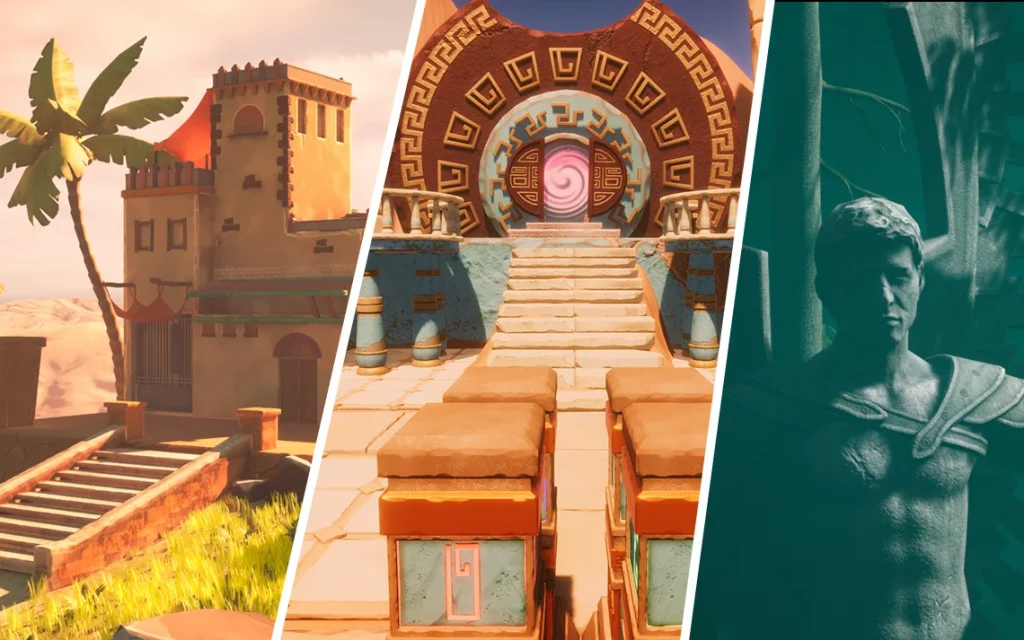
Game Environment Modeling - Unveiling Secrets to Keep Players Engaged
Game environment modeling stands for crafting 2D or 3D game arenas, playable locations where your digital video game story takes place. Read our guide on on game environment modeling.
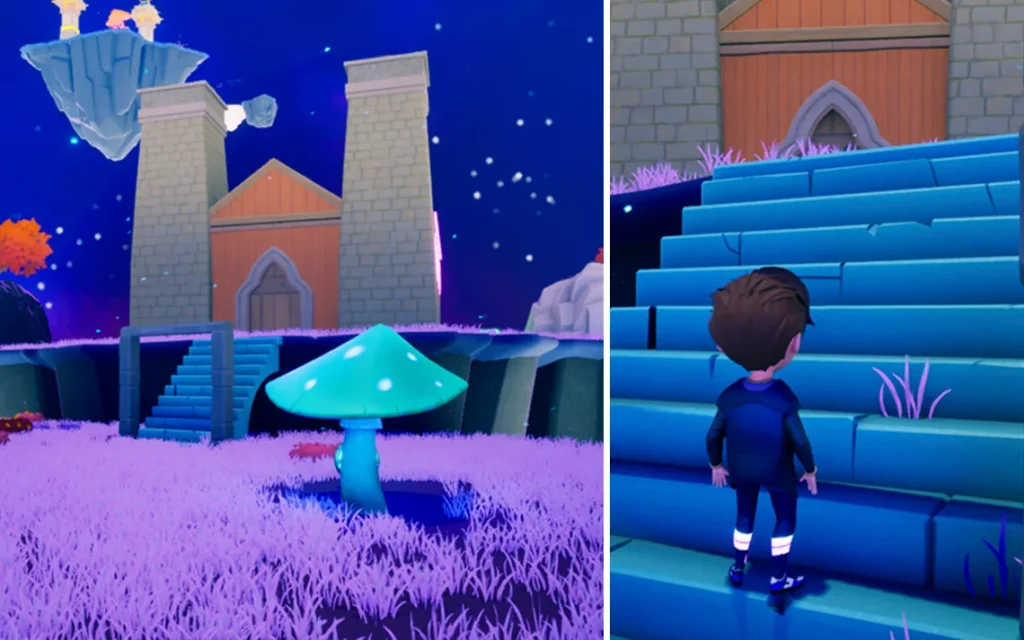
Game Level Design Guide: From Architects to Adventure
Create compelling levels with our game level design guide. Understand design principles, environment art, element integrations, gameplay mechanics, etc.
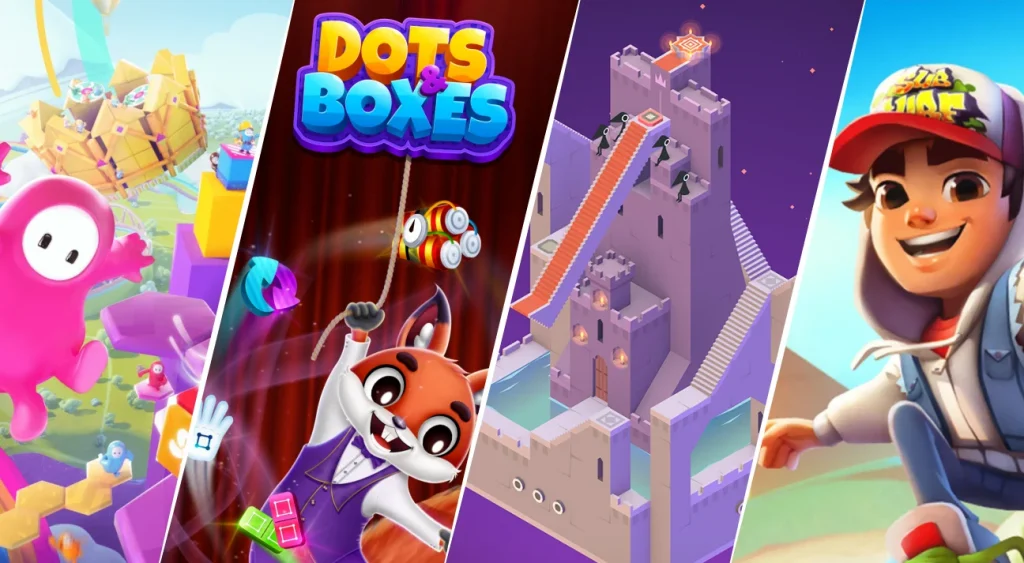
10 Most Popular Games Made in Unity Engine
Explore the digital masterpieces crafted in Unity Engine - a collection of top games that redefine immersive experiences.

The level of creativity and attention to detail helped us turn our game concept into a polished, high-performance experience. The 300Mind team understood our vision and delivered a game that felt engaging from the very first interaction.

Steven Musk
CTO
We hired 300Mind for 3D game assets modeling, and the quality of the work stood out from the beginning. The team understood our art direction, maintained consistency across assets, and suggested improvements that made the overall game experience even better.

Padró Vasquez
Game Artist
It was an amazing experience working with the 300Mind team. They helped us bring our game mechanics and visual ideas together while keeping performance in mind. Their responsiveness and dedication made the entire development process much smoother.

Alex R.
Technical Head
The 300Mind game artists and developers brought our character concepts to life exactly as we envisioned. From character modeling to textures and animation, the team captured the personality of every character and turned our ideas into game-ready assets.

Chris Warne
Creative Head
300Mind helped us transform our game concept into a complete 3D experience. Their understanding of game art, environments, modeling, and real-time development made it easy to move from an initial idea to a polished and playable product.

Laura D’Costa
Chief Operations Officer
The technical expertise of the 300Mind team was exceptional. From Unreal Engine development and 3D assets to gameplay systems and optimization, they handled the technical challenges efficiently and delivered a stable, high-quality game experience.

Santiago Rios
Director of Engineering